Category Archives: Interview

SCIAPS

SciAps: From Field to Lab: How SciAps and Titan Minerals Are Strengthening Analytical Support in West Africa

As Nigeria works to grow exploration in gold, lithium, tin and rare earths and to process more of its minerals locally, getting reliable data quickly is becoming more important. SciAps makes handheld XRF, LIBS and NIR analysers that are used from early exploration through to quality control and metals recycling. The company recently partnered with Titan Minerals Ltd, which will handle sales and first-line technical support in West Africa.

At Nigeria Mining Week, we spoke to Pieter du Preez, Regional Sales Manager Africa at SciAps Inc., about what the partnership means for customers in the region. He covers where portable analysis makes the biggest difference for geologists in the field, how it works alongside laboratory assay to cut turnaround times, and why fast, reliable data matters for building confidence in Nigeria’s mining sector.

01. SciAps builds handheld XRF, LIBS and NIR analysers used from exploration through to quality control and recycling. For readers meeting the company for the first time, where is SciAps already active in Nigeria and West Africa, and which applications are in most demand?

“SciAps provides advanced portable analytical technology to the mining, exploration, metallurgy and recycling industries, with our South African office playing an important role in supporting customers across the African continent. Our technologies address a growing need for fast, reliable elemental and mineralogical data, particularly in gold exploration, lithium and other critical minerals, geochemical analysis, grade control and materials identification. In West Africa, SciAps already has a wide customer base ranging from Oil & gas, Au, Li, critical mineral exploration and Alloy recycling to precious metals analysis in-filed. We see significant potential to expand access to these solutions, helping geologists, mining operators and processors make better-informed decisions directly in the field. Our partnership with Titan Minerals strengthens our ability to develop this market and provide customers with more accessible local support.”

“What is particularly exciting is the growing interest from junior explorers, especially from the UK, Australia and Canada, in the lithium and wider battery-mineral side of that work. That is where we see the next wave of investment landing, and where a decade of our own drilling and geophysical data gives newcomers a running start.”

02. You have just partnered with Titan Minerals Ltd for sales and first-line support in West Africa. Why Titan, why now, and what will customers in the region be able to access locally that they could not before?

“The partnership with Titan Minerals is a strategic step towards bringing SciAps closer to our customers in West Africa. The region is experiencing growing interest in gold, lithium and other critical minerals, creating an increasing need for efficient analytical solutions and dependable technical support. Titan provides an opportunity to strengthen our local presence, improve customer accessibility and develop closer working relationships with mining and exploration companies. Through this partnership, customers will have a more accessible point of contact for product enquiries, sales support and first-line technical assistance. By combining SciAps’ technology and application expertise with Titan’s local presence, we aim to improve responsiveness, strengthen customer confidence and support the long-term development of the regional market.”

03. Local support often decides whether field instruments are used to their full potential. What will training, calibration and technical service look like on the ground under this partnership?

“At SciAps, we believe that supplying an instrument is only the beginning of the customer relationship. The real value comes from ensuring that customers understand the technology and can apply it correctly to their specific operational requirements. Under the partnership, our focus is on developing Titan’s product knowledge and first-line technical capabilities, supported by SciAps through product training, application guidance and technical backup. This includes helping users understand sample preparation, measurement techniques, instrument checks, site-specific calibration requirements and the interpretation of results. Appropriate calibration methods and quality-control procedures are essential for obtaining reliable data. By developing local capability while retaining access to SciAps’ broader technical expertise, we aim to provide customers with a more practical and sustainable support structure.”

04. Exploration interest in Nigeria is centred on lithium, gold, tin and rare earths. Where does portable analysis make the biggest difference across these commodities, and what does it change for a geologist making sampling or drilling decisions in the field?

“Portable analysis can make a substantial difference by allowing geologists to obtain useful analytical information much closer to the point of sampling. For gold exploration, handheld XRF can help identify geochemical patterns and pathfinder elements associated with mineralisation. For lithium, LIBS technology offers direct elemental analysis of lithium in suitable geological samples, while XRF can provide complementary information on associated elements. In rare earth exploration, specialised XRF instruments can help characterise relevant elements and geochemical indicators. For tin and associated mineral systems, XRF can support the investigation of elemental distributions and pathfinders, depending on the target elements and sample matrix. These technologies allow teams to screen more samples, identify areas of interest and refine sampling or drilling priorities sooner. The result is a more informed exploration workflow, with laboratory analysis retained for confirmation and definitive assay requirements.”

05. How much of a constraint is assay turnaround for explorers and junior miners in Nigeria today, and where does handheld analysis sit alongside laboratory assay in closing that gap?

“Assay turnaround can be a significant operational consideration, particularly for exploration teams working across large or remote areas where transporting samples to a laboratory introduces additional time and logistical costs. Although the extent of the constraint varies between projects and laboratories, delays in receiving results can slow the evaluation of targets and the planning of subsequent exploration activities. Handheld analysis helps bridge this gap by providing rapid preliminary data at the point of sampling. Geologists can use these results to screen samples, investigate geochemical trends and prioritise material for laboratory submission. It is important to emphasise that portable analysis does not replace laboratory assay. Instead, it complements the laboratory by helping teams make better use of their time, direct laboratory resources towards the most relevant samples and make more timely, evidence-based decisions.”

06. Nigeria is pushing for more local processing and value addition. What role does real-time grade and quality data play in processing plants, mineral trading and metals recycling, and where do you expect demand to grow first?

“Reliable analytical data is fundamental to improving transparency, efficiency and confidence throughout the mineral value chain. In processing operations, rapid elemental information can support material characterisation, feedstock screening and grade-control decisions, helping operators identify variation before it becomes a larger operational issue. In mineral trading, portable analysis can provide an initial assessment of material composition and support more informed discussions between buyers and sellers, subject to the limitations of the measurement method and the relevant commercial specifications. In metals recycling, handheld XRF and LIBS allow operators to identify and sort many metal and alloy types quickly, improving material segregation and helping protect the value of recovered materials. In our view, near-term opportunities in Nigeria include gold and critical-mineral exploration, followed by broader applications in mineral processing, quality control and metal recycling. As local beneficiation develops, the value of accessible, reliable analytical data will become increasingly important.”

07. Which recent developments in your XRF, LIBS and NIR range are most relevant to operating conditions in West Africa, and what can visitors expect from SciAps at Nigeria Mining Week?

“SciAps offers complementary technologies designed to address a wide range of analytical requirements. Our XRF range supports rapid elemental analysis across mining, metals and quality-control applications. The X-555, with its 55 kV X-ray tube, is particularly relevant to specialised rare earth exploration and the analysis of challenging elements. Our Powerhouse 80 kV model further extends our high-performance XRF capabilities, offering enhanced excitation for demanding analytical applications where sensitivity and the ability to measure challenging elements are important.

Our LIBS range provides complementary capabilities for lighter elements, including lithium, which conventional handheld XRF cannot directly measure. The Z-903 offers broad elemental analysis capabilities, while our handheld ReveNIR analyser provides mineralogical information that can assist with core logging, alteration mapping and exploration targeting. The ability to combine elemental and mineralogical data is particularly valuable when working with complex geological materials.

At Nigeria Mining Week, we look forward to engaging with mining professionals, demonstrating relevant analytical capabilities and discussing how these technologies can be integrated into practical exploration and operational workflows. Through our partnership with Titan Minerals, we also want to emphasise our commitment to strengthening local relationships and improving access to technical support across the region.”

08. Finally, what message would you like to send to investors, policymakers and mining professionals about the role of fast, reliable data in building confidence in Nigeria’s mining future?

“Nigeria has significant potential to develop its mineral resources and strengthen the contribution of mining to economic growth, industrial development and local value addition. Realising that potential requires more than identifying mineral deposits; it requires reliable information, sound technical decisions and confidence throughout the value chain. Portable analytical technologies can contribute by making useful data available earlier, supporting more efficient exploration, improving material identification and helping operators allocate resources more effectively. However, speed must always be matched by appropriate measurement practices, quality control and validation through laboratory analysis where required. For investors, this can support better-informed project evaluation; for operators, it can improve decision-making; and for policymakers, reliable data can contribute to more transparent and responsible resource development. At SciAps, our objective is to help put practical analytical capabilities into the hands of the people making these decisions. Combined with local expertise and effective technical support, we believe these technologies can play a meaningful role in building confidence in Nigeria’s mining future.”
Titan Minerals

Titan Minerals: “A decade of being Nigeria’s most active mineral explorer”

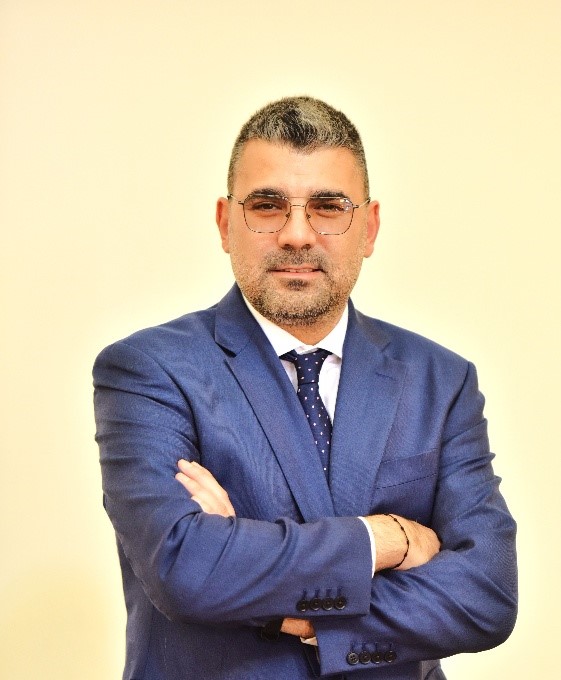
Exclusive expert interview with Fadi A. Ghazale, Founder and CEO of Titan Minerals Ltd, a longstanding supporter and partner of  Nigeria Mining Week. This year will be Titan Mineral’s fifth consecutive year as the event’s Diamond Plus sponsor. As Fadi says here, “We have grown up alongside this event, in a real sense.”

Interview Summary:
Titan Minerals, celebrating its tenth anniversary in 2026, has established itself as Nigeria’s leading mineral explorer, with active programmes in gold, tin, rare earths, lithium and base metals. Founder and CEO Fadi A. Ghazale highlights the company’s ability to accelerate projects thanks to its own drilling fleet, laboratory and decade of geoscientific data.

As a Diamond Plus sponsor for the fifth consecutive year, Titan has grown alongside Nigeria Mining Week, using the platform to connect government, investors and junior explorers. The firm sees battery minerals as the next major investment wave, supported by Nigeria’s regulatory reforms and improved geological data. With sustainability embedded in operations and international‑standard reporting, Titan positions itself as a trusted partner bridging local expertise and global capital.

1. Tell us about the most exciting projects that Titan Minerals are involved in in Nigeria at the moment?

2026 marks ten years since Titan Minerals was incorporated, and there is no shortage of exciting work to show for it. Right now, our teams are active across the commodities drawing the most investor attention to Nigeria – gold, tin, rare earth elements, lithium and the base metals – and we are able to move each of those programmes faster and to a higher standard than we could a decade ago, because the drilling fleet, the laboratory and ten years of geoscientific data behind them are capability we built ourselves, not borrowed for the occasion.

What is particularly exciting is the growing interest from junior explorers, especially from the UK, Australia and Canada, in the lithium and wider battery-mineral side of that work. That is where we see the next wave of investment landing, and where a decade of our own drilling and geophysical data gives newcomers a running start.

2. Titan Minerals has been a leading sponsor of Nigeria Mining Week almost since its inception. What motivated this long-term commitment, and how has the event evolved from your perspective?

We have grown up alongside this event, in a real sense – we announced our rebrand from AG Vision Mining to Titan Minerals from the Nigeria Mining Week stage back in 2022, and 2026 will be our fifth consecutive year as Diamond Plus sponsor. The motivation has always been simple: this is the one week a year where government, operators, service providers and international investors are all in the same room, and being close to that conversation matters to a company built on being Nigeria’s port of entry for outside capital and expertise.

The event itself has evolved a great deal over that time. It has become more policy-focused, more investor-ready, and more international in its delegate base – which mirrors exactly the maturing we have seen in the sector itself over our own ten years in it.

Caption: At Titan Minerals Limited, we get to the edges

3. How does Titan Minerals’ sponsorship align with your broader strategy for supporting Nigeria’s mining sector and building industry partnerships?

Over the past decade we have built our business on being a trusted service provider to both the public and private sector – working directly with government under programmes like NIMEP and on projects awarded by the Nigerian Geological Survey Agency, while also delivering exploration and reporting work for private clients, including companies listed on the AIM market and the Toronto Stock Exchange.

Nigeria Mining Week is where those two worlds meet, and our sponsorship is really an extension of that role. It is where we introduce junior explorers to Nigeria’s potential, and where we make sure government and regulators hear directly from the people doing the work on the ground.

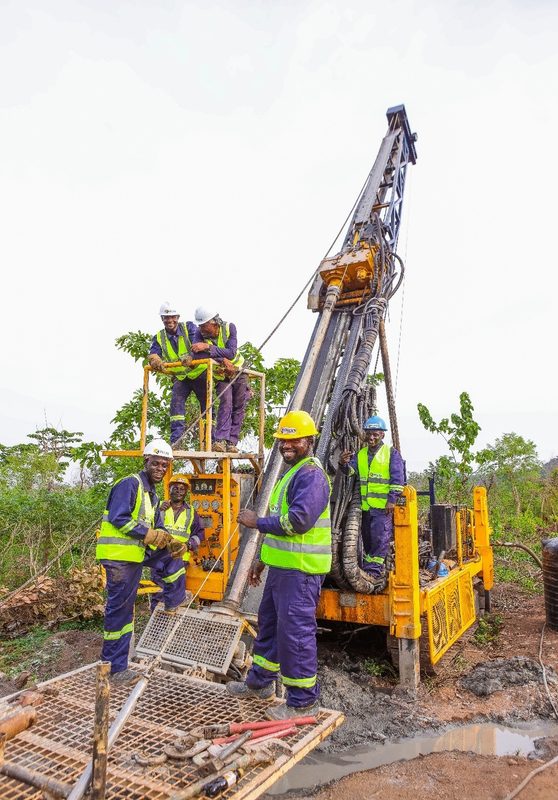
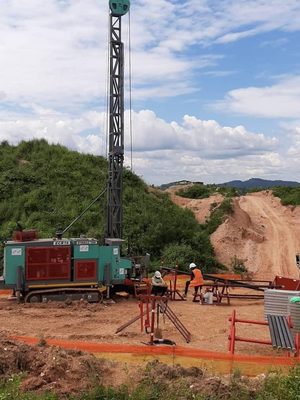
Caption: Drilling day and night to unearth the hidden treasures

4. What do you see as the most significant opportunities currently driving Nigeria’s mining industry, and how is Titan Minerals positioning itself to take advantage of them?

The clearest opportunity is the global scramble for battery and critical minerals – lithium, rare earth elements, tin and the base metals – landing at exactly the moment Nigeria is opening up its geological data and streamlining its regulatory environment through initiatives like the MINSED project and, most prominently, the Honourable Minister Dr Dele Alake’s 7-Point Agenda.

We have positioned Titan Minerals to meet that moment: ten years of geological discoveries and understanding, subsurface information gathered through state-of-the-art in-country drilling capability, and a growing Nigerian technical team with two Nigerian-resident Competent Persons – and reporting that meets JORC, NI 43-101 and SAMREC standards. So when a junior explorer or an investor asks whether our data can stand up to international due diligence, the answer is yes.

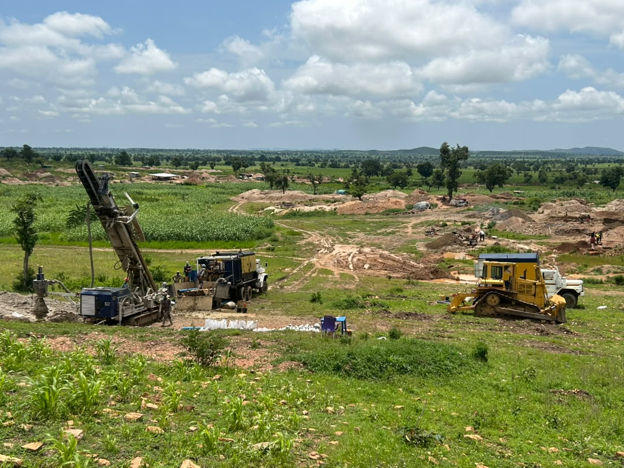
Caption: An ongoing Diamond drilling

5. From your vantage point, what are the biggest challenges facing mining companies in Nigeria today, and how can events like Nigeria Mining Week help address them?

The challenges have not changed dramatically over the past year: security concerns in some mining districts, the difficulty of persuading international investors to look past perceived risk, a shortage of high-quality geological data that meets international standards, and the simple fact that mining is capital-intensive with a long runway before returns appear.

What an event like Nigeria Mining Week does well is compress the distance between those investors and the people who can answer their questions directly – regulators, operators, financiers – into one place over a few days, rather than months of cold outreach. That does not remove the need for continued government support on financing access, infrastructure and capacity building, but it accelerates the relationships that make everything else possible.

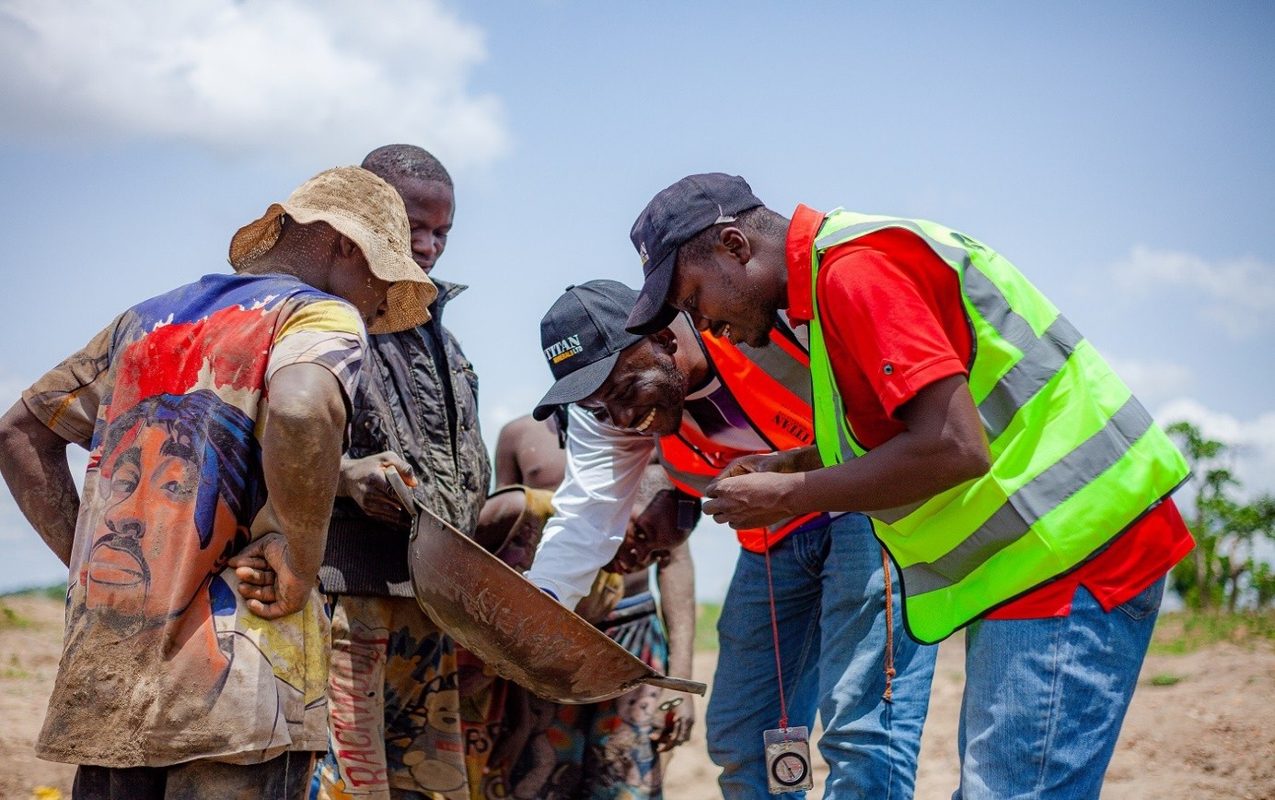
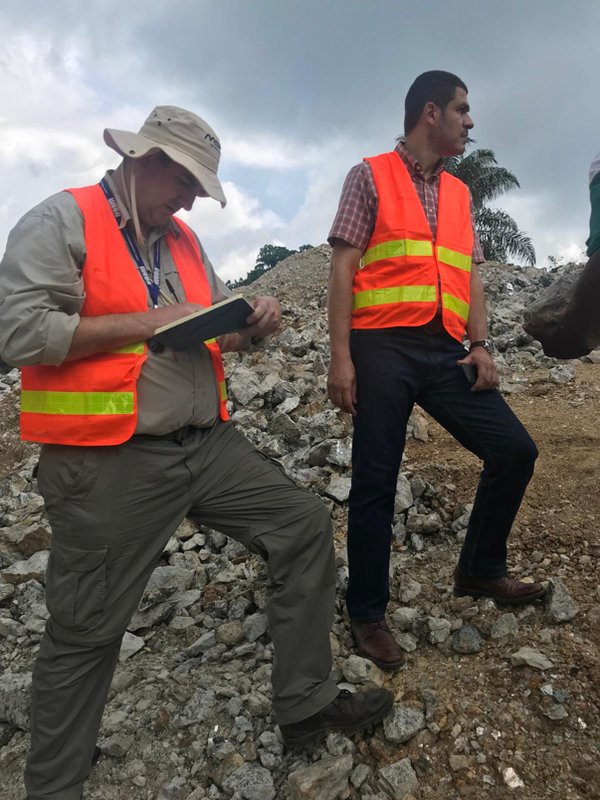
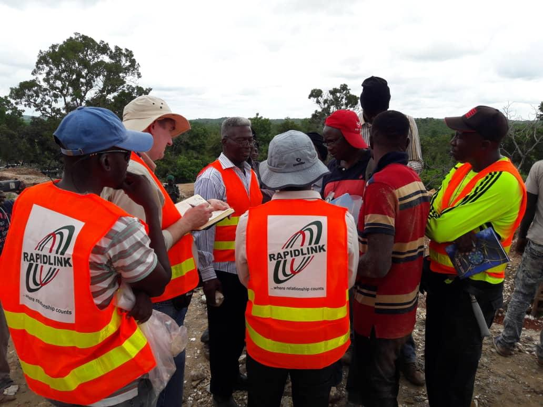
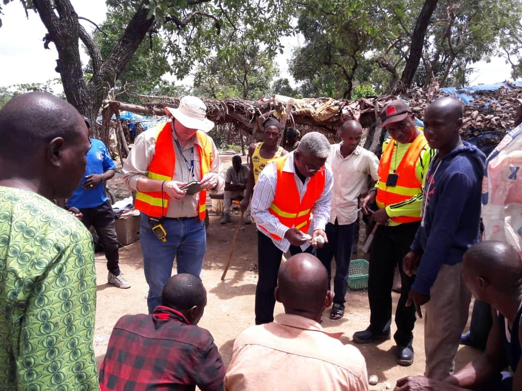
Caption: Titan geologists interacting with locals around Nasarawa

6. How is Titan Minerals integrating sustainability and ESG principles into its operations, and what role do you see for responsible mining in Nigeria’s future?

We have built community management and environmental assessment into our service offering alongside the technical work, because exploration and responsible practice are not separable – especially in Nigeria, where trust between operators and host communities has to be earned project by project.

Beyond community management, we build environmental screening and safety practice into every drilling programme from the outset, and we hold every project to the same JORC discipline regardless of client size. That consistency, more than any stand-alone ESG initiative, is what earns trust with communities and regulators alike.

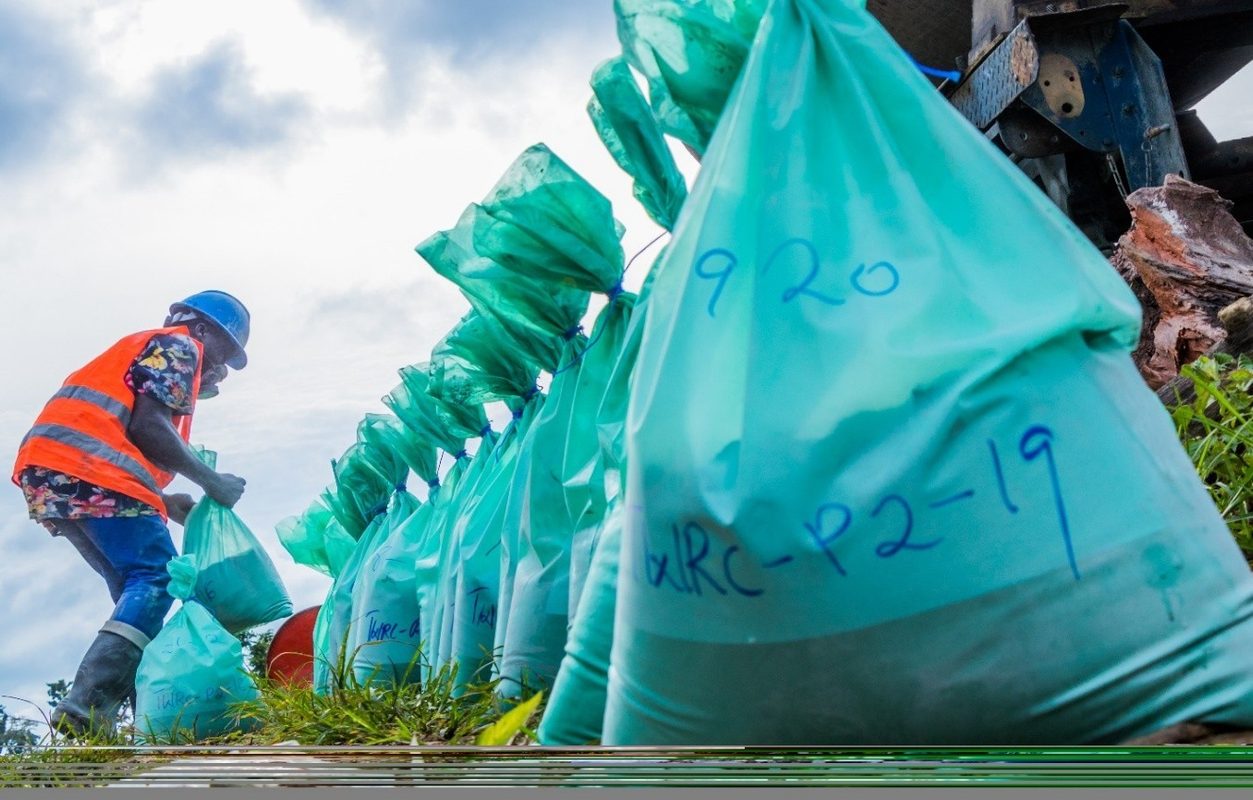
Caption: RC sampling during one of the projects

7. Can you share examples of innovations – whether in technology, financing or community engagement – that Titan Minerals is championing to strengthen Nigeria’s mining ecosystem?

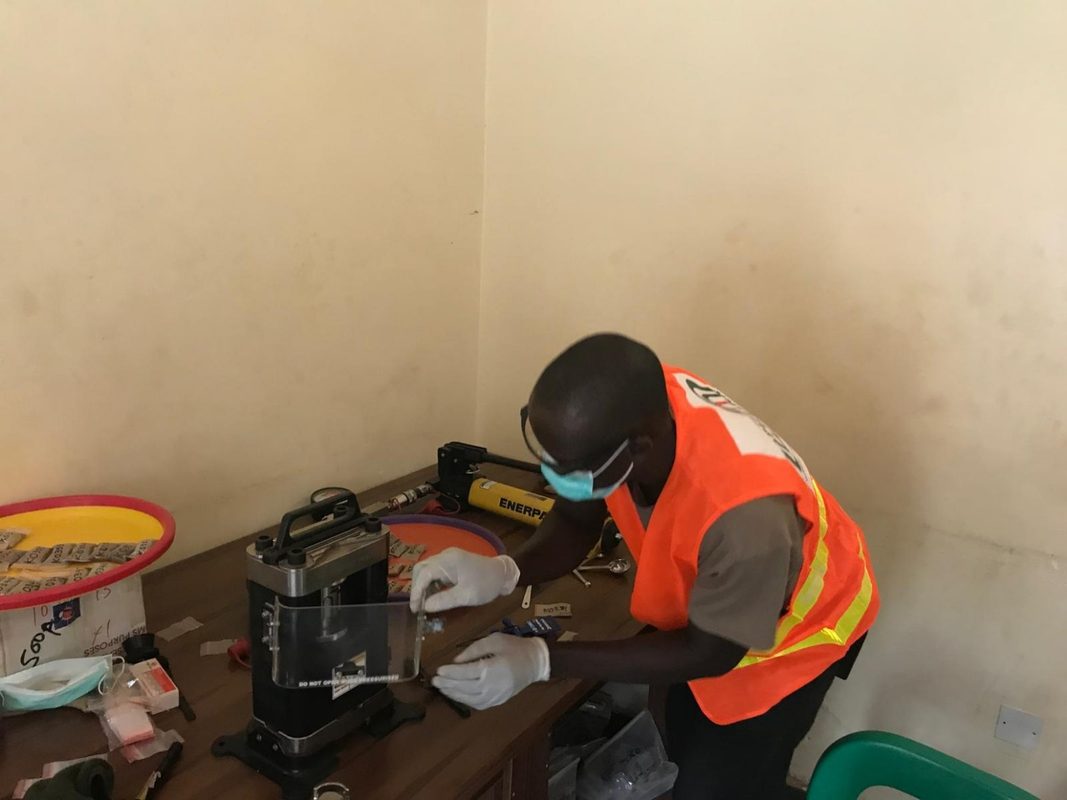
On the technical side, we have continued to invest in our own drilling fleet and geophysical equipment, and we run an interim sample preparation facility in Abuja using XRF and LIBS analysers to speed up screening of lithium and light elements, while working with accredited international laboratories for resource and reserve estimation.

On the financing side, we have deliberately extended our services beyond exploration and drilling into pre-feasibility studies and production financing support, so promising projects have a partner to help carry them toward production rather than stalling at the data stage. And it is our Competent Person reporting that I would point to as the real value we add here – turning a decade of geoscientific data generation into unique value that can create sustainable growth for our clients and for Nigeria’s mining sector as a whole.
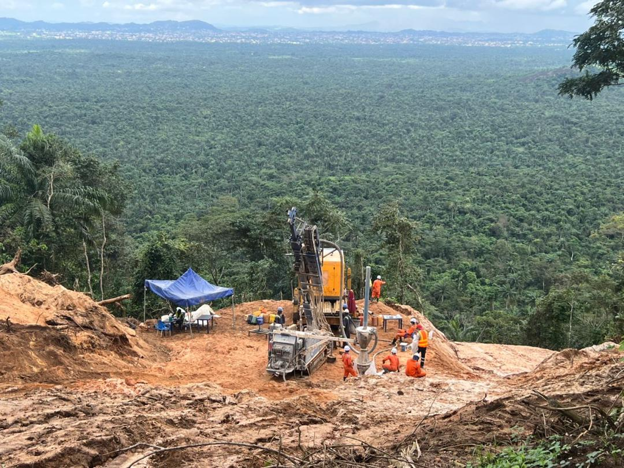
Caption: Aerial view on an ongoing trenching and drilling campaign on a gold, zinc and copper prospect

8. Finally, what message would you like to send to investors, policymakers and communities about Titan Minerals’ vision for Nigeria’s mining future?

Ten years ago, we set out to bring international-standard exploration to Nigeria, a country with enormous mineral potential and very little modern data. Today, Titan Minerals stands on its own as Nigeria’s leading mineral exploration company, backed by ten years of drilling, laboratory and reporting capability built and run by our own in-house team.

To investors: the standard of data you need to commit capital is now available here and will draw the attention of the international community. To policymakers: keep removing the friction, and we will keep bringing in the capital and the explorers alongside you. To communities: you are the reason this industry has to be done responsibly, and we intend to keep earning that trust project by project. The interest we are now seeing from junior explorers tells us the next decade can be about moving more of those discoveries towards development – and we intend to lead that.

TLM Nigeria

Nigeria Mining Week 2026 – Sponsor Q&A

TLM Nigeria: “We aim to bring more advanced, reliable and cost-effective Chinese-made equipment to Nigeria”

Let’s start with some background on TLM Nigeria Ltd.

TLM Nigeria Limited was established with a primary focus on the sales and distribution of Tonly and LiuGong equipment in Nigeria. Although we are a relatively young company, we have made significant progress within just a few months of operation.

Since our establishment, we have successfully delivered nearly 100 units of various dupers and other mining equipment to customers across Nigeria. Through reliable equipment, professional service, and a strong commitment to our customers, we are proud to be contributing to the development of Nigeria’s mining industry and helping local mining operations become more efficient, productive and accessible.

Tell us about your products and services.

Our core business is the sales and service of mining and heavy-duty equipment in Nigeria. We mainly provide mining trucks and other specialised equipment for mining operations and civil constructions.

In addition to equipment sales, we also provide customers with professional technical support and after-sales service, helping them improve operational efficiency and ensure reliable performance of their equipment.

Where in Africa are you active and where are you looking to for growth?

Our main focus is the Nigerian market, where we provide mining and heavy-duty equipment to the mining industry. We also offer transportation solutions, including low-bed trailers, buses, CNG vehicles and electric equipment.

Looking ahead, we plan to align our business with energy trends and place greater focus on new energy and electric equipment.

How important is the Nigerian market for your organisation?

We are a locally established company, and our business is fully focused on serving the Nigerian market. We are committed to providing reliable, high-quality products and professional services that meet the needs of Nigerian customers. We also see Nigeria as a market with tremendous long-term potential, and we are committed to growing together with the country and contributing to its industrial and economic development.

How excited are you about the burgeoning mining sector in Nigeria and what does this mean for your business there?

We are very excited about the growth of Nigeria’s mining sector and the opportunities it brings to our business. In addition to traditional diesel-powered mining equipment, we are also introducing CNG and electric equipment to the Nigerian market. We believe this broader product range will help customers improve efficiency, reduce operating costs, and gradually move towards more sustainable mining operations.

Which stand-out mining projects are you involved in as a supplier in Nigeria?

We have been involved in a number of important projects across Nigeria. In Katsina State, we have supplied new-energy buses to support local public transportation.

We have also supplied mining trucks, wheel loaders, bulk cement tankers and other equipment to major industrial groups such as Dangote and BUA. In addition, we have participated in a number of infrastructure and construction equipment procurement projects across Nigeria, supporting the development of the country’s mining, construction and transportation sectors.

TLM Nigeria Ltd is a returning diamond sponsor at the upcoming Nigeria Mining Week. How important is this annual gathering of the mining industry?

Nigeria Mining Week is extremely important to us, especially as a relatively new company in the Nigerian market. It gives us a valuable platform to introduce TLM Nigeria, showcase our products and capabilities, and connect with customers and partners from Nigeria and around the world. We see it as a great opportunity to build our brand and strengthen our presence in the mining industry.

What will be your message at the event this year?

Our message this year is simple: We want to introduce ourselves to our customers and make equipment sourcing easier and more convenient for them. We also aim to bring more advanced, reliable and cost-effective Chinese-made equipment to Nigeria, supporting the growth of the local mining industry and contributing to Nigeria’s development.

Rapidlink Group

Nigeria Mining Week 2026 – Sponsor Q&A

1. Let’s start with some background on Rapidlink Group. You have a proud history.

Rapidlink Group is a diversified holding company that has operated in Nigeria for over 25 years, with interests spanning Solid Minerals, Oil and Gas, and Construction. Our subsidiaries deliver front-end and back-end logistics support to the maritime and oil and gas sub-sectors, technical and administrative labour support and consultancy, solid minerals prospecting, exploration and mining, EPC services, road and civil engineering construction, and vessel management services. Across all of these, our guiding philosophy has been operational excellence and a disciplined, sustainable approach to growth by building long-term value for our stakeholders rather than chasing short-term wins.

2. Tell us about your products and services.

In the exploration and mining space, Rapidlink’s core offering is professional, internationally aligned mineral exploration by generating credible, verifiable geological data with JORC/NI 403 reporting standard  that investors and government partners can rely on. Our exploration expertise and hands-on production capability is what sets Rapidlink apart: we don’t just identify what’s in the ground, we know how to bring it to productive use.

3. Where in Africa are you active and where are you looking to for growth?

Nigeria remains the core of our operations. We handled critical work on metals under NIMEP. Beyond Nigeria, we are active in Ghana and the Republic of Congo. Looking ahead, our growth strategy is to deepen what we’ve built in Nigeria as the data and regulatory environment continues to improve by partnering with government to de-risk the sector and serving the private sector to build world class projects, while continuing to build out our presence in Ghana and the wider West and Central African region.

4. How important is the Nigerian market for your organisation?

Nigeria is not just important to Rapidlink, it is the foundation of who we are. We have built our track record here over 25 years, and our mining division has grown steadily over the past decade working alongside both public and private sector partners. As the Federal Government positions solid minerals as central to economic diversification, we see Nigeria’s mining sector entering a genuinely transformative period, and we intend to remain at the centre of that story.

5. How excited are you about the burgeoning mining sector in Nigeria and what does this mean for your business there?

We are genuinely excited. With the lull that has periodically affected the oil and gas sector, mining has enormous potential to help rescue and diversify the Nigerian economy, this is a view we have held consistently. Government initiatives such as the National Integrated Mineral Exploration Project and the more recent centralisation of geological data under the National Geological Survey Agency (NGSA) are addressing the data-scarcity problem that has historically discouraged serious investment. We commend the Federal Government for this deliberate policy direction, and we particularly commend the Honourable Minister of Solid Minerals Development, Dr. Dele Alake, whose reform agenda and hands-on leadership have brought a new sense of urgency, transparency and ambition to the sector. For Rapidlink, this means more credible, standardised data to work with, a more de-risked operating environment, and growing demand for the kind of professional, competent and internationally-aligned exploration services we provide.

6. Which stand-out mining projects are you involved in as a supplier in Nigeria?

Rapidlink has been a key participant in undertaking various explorations for critical metals like lithium, tin, tantalum, gold and niobium across several project areas both for public and private sectors.

7. Rapidlink Group is a returning Gold sponsor at the upcoming Nigeria Mining Week. How important is this annual gathering of the mining industry?

Nigeria Mining Week has grown into a continental platform that reflects the real progress and policy direction of the sector. For us, it is far more than an expo, it is where government, investors, operators and technical partners converge to shape the conversations and communiqués that go on to influence sectoral policy. Our continued sponsorship reflects our belief in that value, and our commitment to supporting Nigeria’s ambition of becoming a globally competitive mining destination.

8. What will be your message at the event this year?

Our message is one of measured optimism: Nigeria is moving in the right direction. The Federal Government’s focus on data generation, policy reform and stakeholder collaboration is laying a strong foundation, and this year’s emphasis on expanding domestic processing capacity is exactly the right next step to create a sustainable value chain by moving the sector beyond raw exploration toward real value addition. Much of this progress is a direct result of the reform-minded leadership of Dr. Dele Alake and his team at the Ministry of Solid Minerals Development, and we commend them for it. We encourage all stakeholders, government, investors and operators alike, to sustain this momentum, because the progress made so far, while still early-stage, is undeniable.

9. Anything you would like to add?

Rapidlink remains committed to doing things the right way with meticulous exploration, strict health, safety and environmental standards, and close collaboration with government institutions like the MMSD, SMDF and NGSA. We extend our sincere appreciation to the Federal Government of Nigeria, and to the Honourable Minister, Dr. Dele Alake, for the policies and vision driving this sector forward. We believe this is the only sustainable path to growth for Nigeria’s mining sector and we will continue to be part of it.

MIKANO MOTORS LHCV

Nigeria Mining Week 2026 – Sponsor Q&A

Maro Owholo, National Sales Manager (LHCV)

1. Tell us about Mikano Motors’ current activities in Nigeria, particularly around fleet, commercial vehicle and logistics solutions for industries such as mining?

People know Mikano as Nigeria’s leader in power generation with over 30 years’ experience, but we’ve brought that same heavy-duty discipline into automotive and heavy machinery. For mining and logistics, we offer a complete fleet ecosystem: Lovol heavy equipment (excavators, loaders) for site extraction, ZNA and GWM (Pickup/Tank) for rugged site operations, Maxus for fleet utility and logistics, and Changan for executive movement – all backed by nationwide technical support.

2. Mikano Motors has been a sponsor of Nigeria Mining Week before. What motivated this commitment, and how has the event evolved from your perspective?

Without heavy haulage and earthmoving equipment, raw minerals stay in the ground. We sponsor Nigeria Mining Week because mining is central to economic diversification, and reliable equipment is key to unlocking that value. The event has successfully evolved from a policy talk-shop into an active business execution platform where real equipment and investment deals happen.

3. How does Mikano Motors’ attendance align with your broader strategy for supporting Nigeria’s mining sector and building industry partnerships?

Our presence isn’t just about showing off vehicles; it’s about deep industry integration. Mining involves heavy capital cycles and tough terrains. Participating allows us to listen to miners, co-design fleet setups tailored to their site demands, and establish long-term maintenance and parts supply contracts directly with concession holders.

4. What do you see as the most significant opportunities currently driving Nigeria’s mining industry, and how is Mikano Motors positioning its vehicle and mobility solutions to take advantage of them?

The primary opportunities in 2025/2026 are the government’s push for solid mineral processing and increased critical mineral extraction (like lithium and iron ore). We are positioning our Lovol machinery and rugged ZNA/GWM commercial fleets with flexible, structured commercial terms – giving operators high durability and fuel efficiency without overwhelming upfront capital expenditure.

5. From your vantage point, what are the biggest challenges facing mining companies in Nigeria today around transport, logistics and fleet reliability, and how can events like Nigeria Mining Week help address them?

The biggest hurdles miners face are brutal site terrains, severe downtime due to scarce spare parts, and rising operational costs. Events like Mining Week allow us to bridge that gap by connecting miners directly with suppliers who have local inventory and active maintenance support, eliminating costly operational delays.

6. How does Mikano Motors’ local vehicle assembly in Nigeria support the country’s industrialisation and localisation goals, and what role do you see it playing in the mining sector specifically?

Local assembly at our state-of-the-art facility is our biggest differentiator. It creates local technical jobs, reduces reliance on expensive fully-built imports, and allows us to customise vehicles specifically for Nigerian road and site conditions. For miners, local assembly means off-the-shelf spare parts availability and faster fleet delivery.

7. Can you share examples of innovations, whether in vehicle technology, financing or after-sales service, that Mikano Motors is championing to strengthen Nigeria’s mining and industrial ecosystem?

We are driving three major innovations:

  • Tech: Smart telematics across our commercial fleets for real-time tracking of fuel, load capacity, and engine health.
  • After-Sales: Mobile service units and site-dedicated technicians – leveraging the same 24/7 service model that built our reputation in power solutions.

8. Finally, what message would you like to send to investors, policymakers and communities about Mikano Motors’ vision for supporting Nigeria’s mining future?

  • To Investors: Mikano Motors is your total equipment partner – from Lovol earthmovers to site utility pick-ups – ensuring maximum site uptime.
  • To Policymakers: Continued support for local assembly will accelerate local industrial capacity and retain value within Nigeria.
  • To Communities: We remain committed to sustainable operations, local employment, and developing local technical skills for the future.